Understanding Antimicrobial Treatments After Water Damage Restoration in Denver
Published: 2026-05-02 · By PureRapid Water Damage Restoration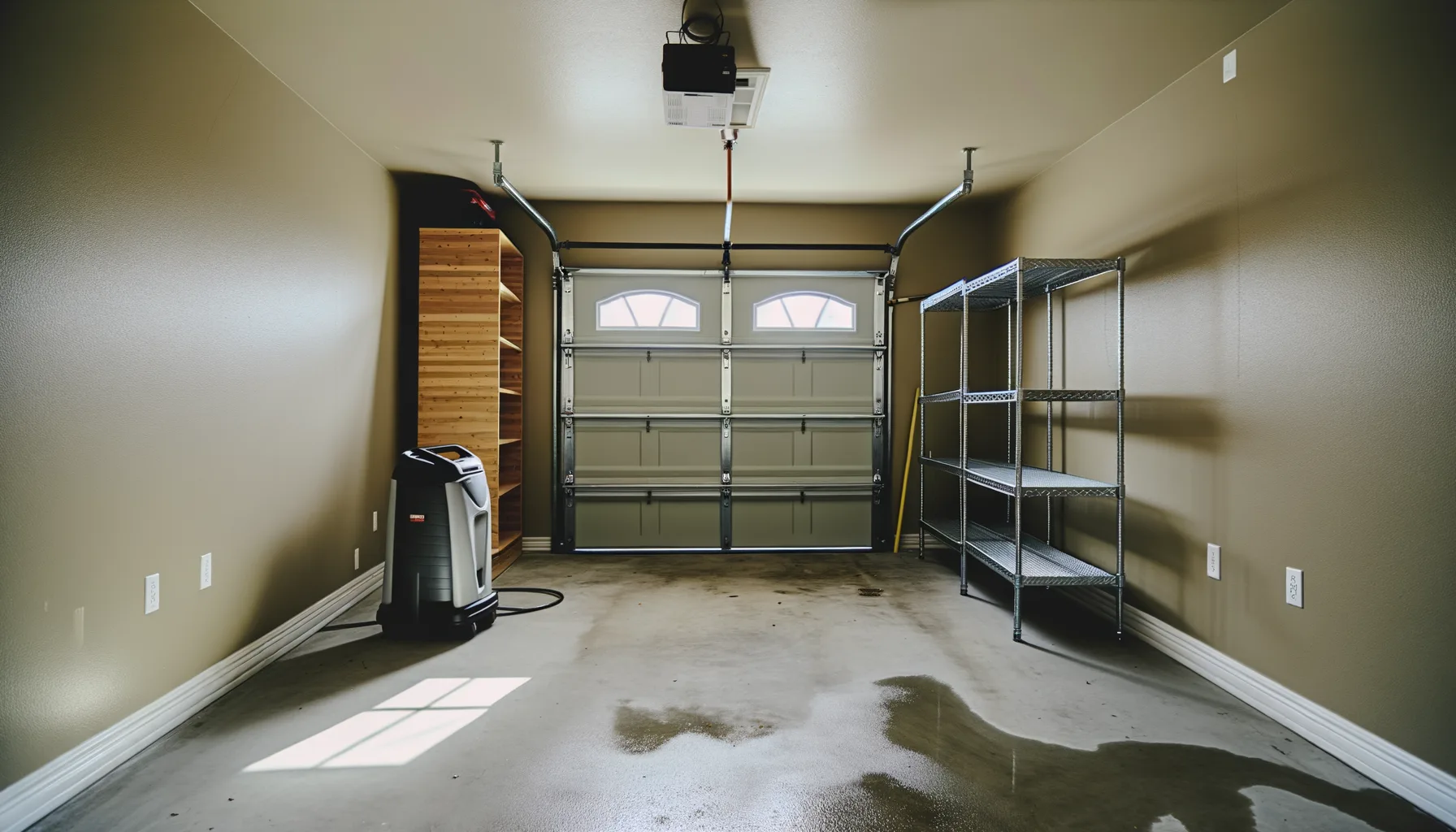
Imagine coming home after a winter holiday, only to find your basement flooded due to a pipe burst caused by a significant freeze-thaw cycle. It’s a scenario all too familiar for residents of Denver, especially when rapid weather changes lead to unexpected water damage. The swift transition from cold to warm can wreak havoc on your home’s plumbing, leading to mold and mildew if not addressed promptly. One often overlooked but essential aspect of water damage restoration is the application of antimicrobial treatments, which play a crucial role in preventing future infestations and ensuring a safe environment for your family.
Why This Matters for Denver Homeowners
Water damage is more than just a visual inconvenience; it can lead to serious health issues and structural damage, especially in Denver's unique climate. Local homeowners know that the building codes aim to minimize the risk of moisture infiltration, but many older homes in the area still face challenges due to expansive clay soils that require special drainage considerations. The heavy snowmelt in the spring further compounds the problem, increasing the likelihood of leaks and flooding.
Ignoring water damage can invite mold, which feeds on moisture and organic materials found in homes. In just 24 to 48 hours, mold spores can develop, leading to respiratory problems and allergies. Given the varied seasonal impacts, homeowners at 7067 N Pecos St Unit 65 should prioritize restoration efforts promptly to avoid long-term health risks.
Tip: Always check for water stains in hidden areas of your home, particularly around windows, foundations, and under sinks, to catch water damage early.
The consequences of neglect can escalate quickly, resulting in expensive repairs. Homeowners in Denver need to remain vigilant as the growing concern over environmental factors exacerbates the risk of water-related problems in their homes.
Expert Solutions & Actionable Tips
1. Understanding Antimicrobial Options
Antimicrobial treatments vary widely, but homeowners in 7067 N Pecos St Unit 65 can expect to spend about $0.50 to $2.50 per square foot for professional application. These treatments are designed to inhibit mold growth on surfaces exposed to moisture. Not all treatments are suitable for every situation, so consulting with a professional can help tailor the process for optimal results.
Moreover, applying these treatments before reconstructive efforts can ensure that the new materials remain unaffected. It's best to consider these antimicrobial options during the restoration phase, often taking three to five days to fully apply and dry, depending on the product used and area covered.
2. Timing Your Restoration Efforts
When faced with water damage, speed is of the essence. Ideally, restoration should begin within 24 hours after the incident to minimize mold growth. PureRapid Water Damage Restoration offers expedited services that typically allow for an initial assessment within one hour of your call.
The entire process, including drying, treatment, and repairs, can typically take 3-7 days. Local homeowners should not wait to reach out, as delays can drastically raise remediation costs, possibly exceeding $5,000 depending on the severity of the damage.
3. Utilizing Fans and Dehumidifiers
After water damage occurs, it's essential to dry out the area quickly. Using commercial fans and dehumidifiers is crucial to remove excess moisture. Renting these units can cost between $50 to $150 per day, but the investment is often worth it.
In Denver's rapidly temperature-changing climate, maintaining a controlled environment helps speed the drying process and prevents mold from establishing. It's recommended to maintain airflow while keeping the temperature stable during the drying phase for optimal results.
4. Spotting Mold Early
Once water infiltrates a home, mold can start appearing quickly. Signs include foul odors or discoloration on walls and ceilings. Regular inspections, especially in hidden areas, can prevent extensive damage.
For homeowners in the 7067 N Pecos St area, professional mold assessments can range from $200 to $600 based on the inspection's depth. Early detection is critical as it affects treatment methods and costs.
5. Reviewing Building Codes
Before starting any water damage repairs, confirm whether your plans comply with Denver's building codes. These regulations are important, especially for homes on clay soils, which often require enhanced drainage methods.
You may incur additional costs between $100 and $500 for permits depending on scope. Calling a professional who understands local regulations ensures your restoration aligns with city requirements.
6. Preparing for Future Incidents
After dealing with water damage, consider investing in preventive measures like sump pumps, drainage systems, and waterproofing solutions. Costs for these installations can vary widely, ranging from $1,500 to $4,000 depending on the system and installation complexities.
Such systems can provide peace of mind during Denver's heavy snowmelt seasons and unexpected hail storms, ensuring your home remains protected against future water damage incidents.
Denver Climate & Local Context
The climate at Denver, presents unique challenges for homeowners facing water damage. The region experiences rapid temperature swings, with cold winters giving way to warm springs, leading to significant freeze-thaw cycles that can place stress on structures. Additionally, hail storms during these transitions can exacerbate roofing and exterior vulnerabilities, increasing the potential for water seepage.
Many homes are built on expansive clay soils, which complicate drainage. The soils can expand when wet and shrink when dry, causing foundations to shift and potentially lead to basement flooding. Understanding local characteristics like these can help homeowners make informed decisions regarding restoration and preventive maintenance.
When to Call a Professional
Determining when to tackle water damage restoration as a DIY project versus calling in an expert requires careful consideration. Homeowners should assess the severity of the damage, their experience level, and the risk of escalating issues. Simple clean-ups such as mopping or drying out small areas can often be done independently, but recognizing your limits is crucial.
Consider engaging a professional when:
- The flooding covers more than a few inches of water.
- Mold is visible or has a musty smell.
- Multiple systems (like HVAC) are affected.
- The damage is widespread across various materials.
- Water is contaminated or poses health risks.
- Structural elements, such as flooring or framing, are compromised.
When in doubt, calling PureRapid Water Damage Restoration at 7067 N Pecos St Unit 65 is a prudent decision. Their expertise can prevent problems from worsening and provide thorough remediation services.
Frequently Asked Questions
What should I do first after noticing water damage?
Immediately assess the extent of the water damage and turn off any affected utilities. Contact PureRapid Water Damage Restoration for an assessment and potential remediation as soon as possible.
How do I know if I need an antimicrobial treatment?
If your home has been affected by water damage and shows signs of mold, or if it has been 48 hours or more since the incident, an antimicrobial treatment is highly advisable.
Can I handle mold removal myself?
Minor mold patches can sometimes be cleaned with appropriate safety gear, but significant infestations should be managed by professionals to ensure thorough removal and prevent recurrence.
How long does a water damage restoration project usually take?
Typically, water damage restoration can take anywhere from three to seven days depending on the severity of the damage and the specific treatment methods applied.
Are there any permits required for water damage repairs in Denver?
Depending on the scope of work, permits may be required for major repairs, especially those affecting structural components or plumbing systems. Always check with local regulations.
Get Expert Water Damage Restoration Service in Denver
Water damage can lead to costly repairs and health hazards if not addressed promptly. If you’re facing water issues at Denver, don’t hesitate to call (719) 223-0422. Reach out to PureRapid Water Damage Restoration for expert help tailored to your needs.
Don't let water damage dampen your peace of mind; contact us today and safeguard your home!
Service Areas
More Articles
Why Denver Condo Associations Need Water Damage Restoration Plans
2026-05-02
Water Damage Restoration10 Lessons Learned from Major Water Damage Restoration Events in Denver
2026-05-02
Water Damage RestorationSummer Water Damage Restoration Checklist for Denver Homeowners
2026-05-02